|
Research in Progress Pages - watch this space for updates
The Photographs
The Contemporary Camera Groupe 1938 catalogue or list of photographs exhibited has yet to be sighted.
The photographs below have been mentioned as being in the exhibition in other sources and online archives.
As more are identified, they will be uploaded.
Max Dupain
Max Dupain (1911–1992) was Sydney’s leading modernist photographer of the 1930s. He had a thriving fashion, advertising and portrait studio, made Sunbaker (1937), probably Australia’s most widely recognised photograph, and co-founded the Contemporary Camera Groupe in 1938 in protest at the dominance of pictorialism. After war service from 1941 to 1946, he turned to documentary work and especially architectural photography, which defined his long postwar career until his death in 1992.
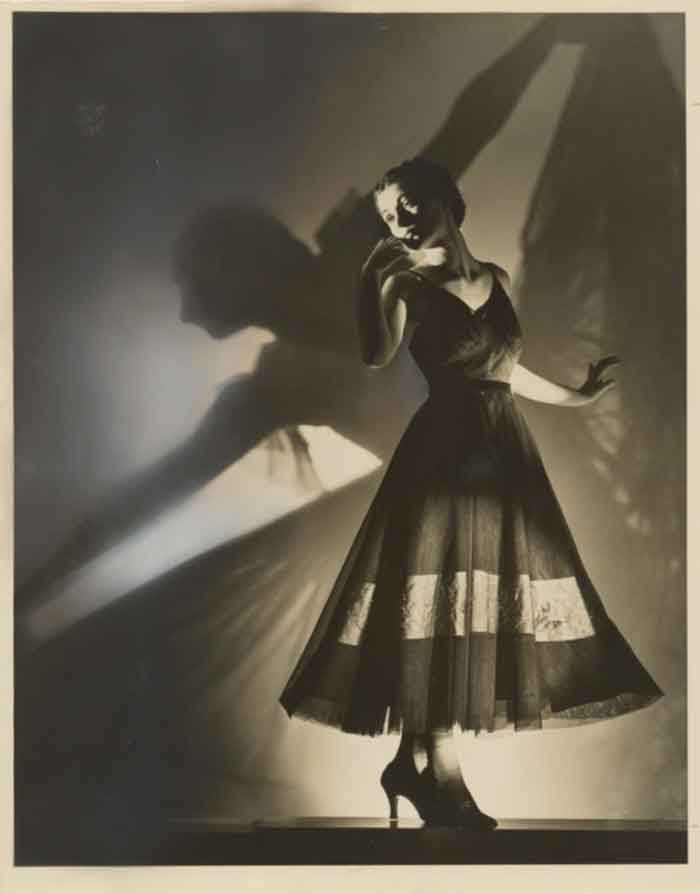 |
| Max Dupain, Ballarina, 1937 - in the 1938 exhibition |
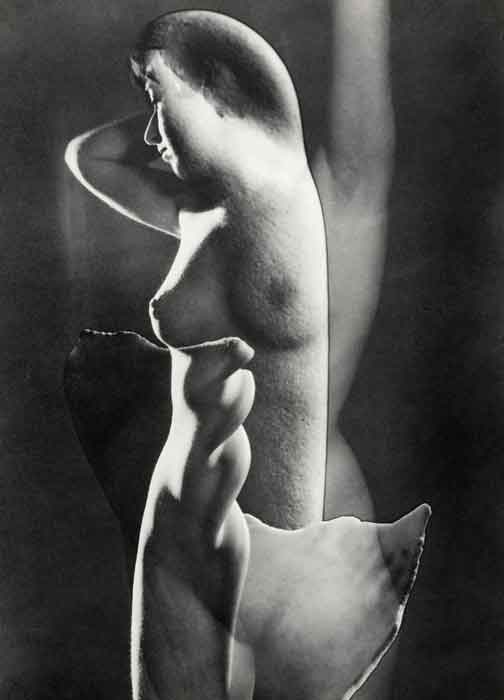 |
| Max Dupain, Nude with Shell Transosed, 1936 |
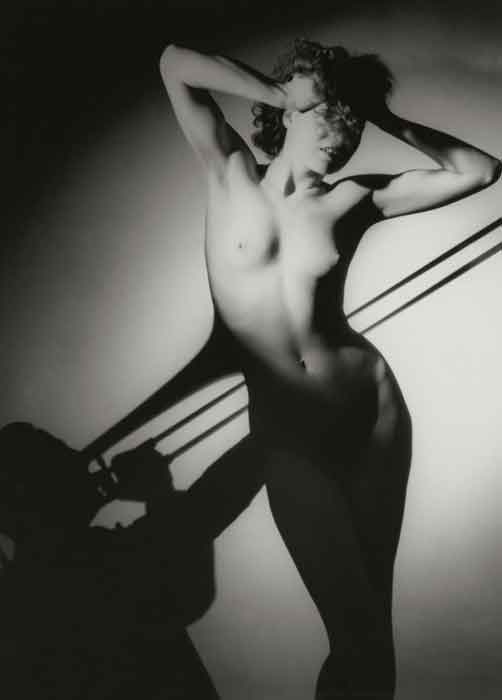 |
| Max Dupain, Nude figure with trombone shadow, 1930's |
Olive Cotton
Olive Cotton (1911–2003) was a Sydney modernist known for lyrical studies of light. Her Teacup Ballet (1935) was shown at the London Salon of Photography and later appeared on Australia Post’s 1991 stamp marking 150 years of photography, and she worked alongside Max Dupain, including in his studio, and joined the Contemporary Camera Groupe in 1938. Olive Cotton ran Dupain’s studio while he was away at the war.
She later moved to the Cowra district, where she opened a small portrait studio in 1964, and she was largely forgotten in the city art world until her work was rediscovered from 1985.
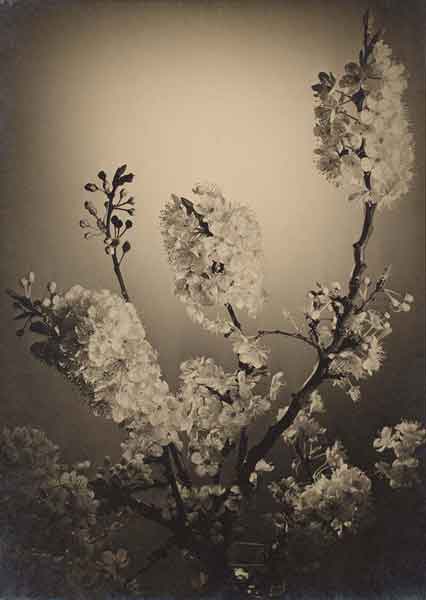 |
| Olive Cotton, Plum Blossom, 1937 - in the 1938 exhibition |
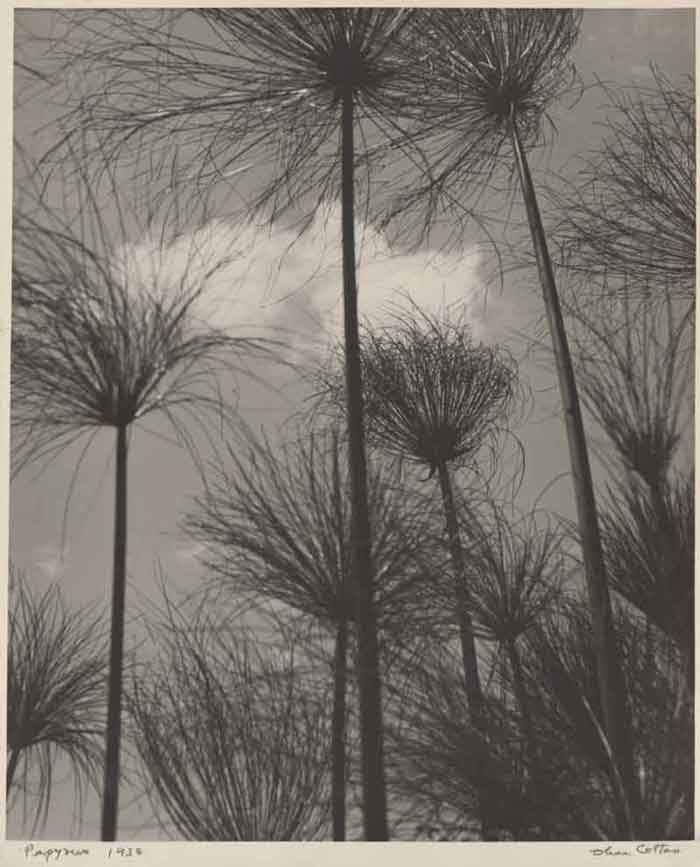 |
| Olive Cotton, Papyrus, 1938 - in the 1938 exhibition |
Laurence Le Guay
Laurence Le Guay (1916–1990) was a Sydney commercial and fashion photographer who in 1938 co-founded the modernist Contemporary Camera Groupe with Max Dupain and Olive Cotton, while still exhibiting at international salons with the pictorialist Sydney Camera Circle. After the war he edited the magazine Contemporary Photography from 1946 to 1950, and his Castlereagh Street studio helped define the 1960s fashion look in Sydney; after closing the studio in 1970 he edited the survey Australian Photography: A Contemporary View (1978).
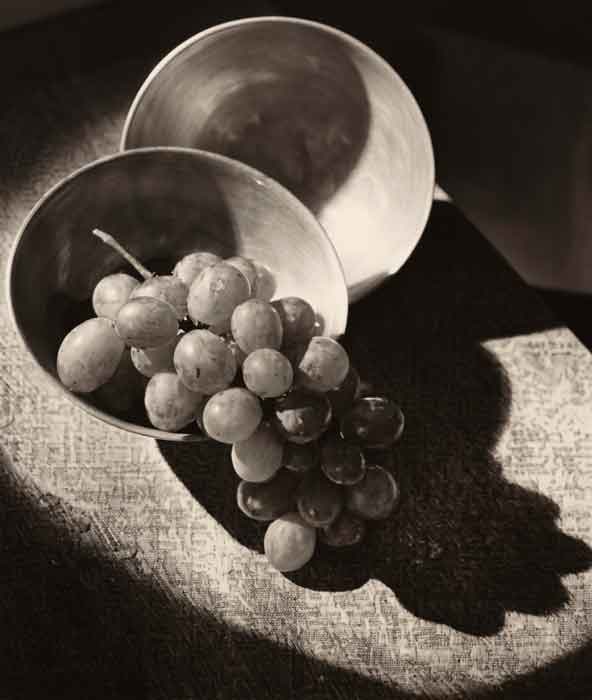 |
| Laurence Le Guay, Still Life, 1938 |
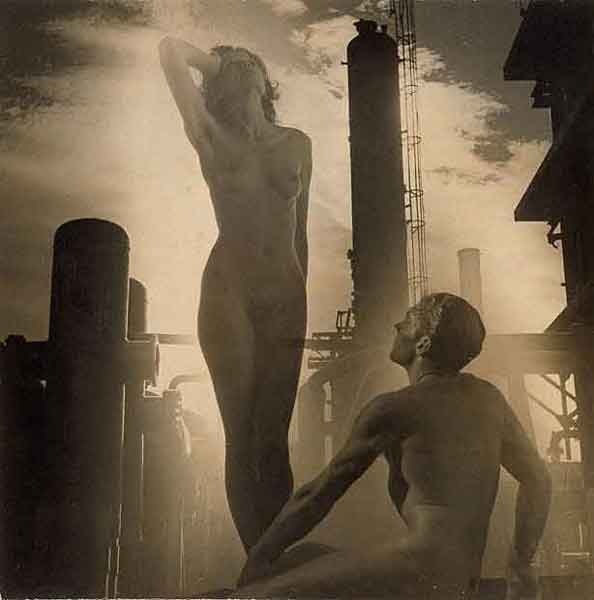 |
| Laurence Le Guay, The Progenitors 1938 - in the 1938 exhibition |
Damien Parer
Damien Parer (1912–1944) was born in Malvern, Victoria, and worked in Sydney in the 1930s as a stills and film cameraman, including with Charles Chauvel and Max Dupain, and he was a member of the modernist Contemporary Camera Groupe. He was the first official Australian photographer of the Second World War, and his footage of the Kokoda Track formed the bulk of the Cinesound newsreel Kokoda Front Line!, which in 1943 won Australia’s first Oscar; he was killed by Japanese machine-gun fire in September 1944 on Peleliu in Palau while filming US Marines.
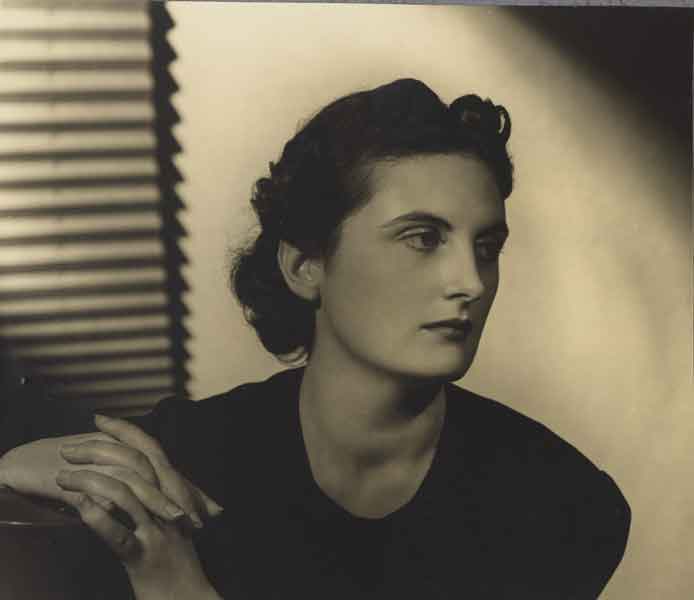 |
| Damien Parer - Elizabeth Marie Cotter - circa 1938 at Max's Studio in Bond street |
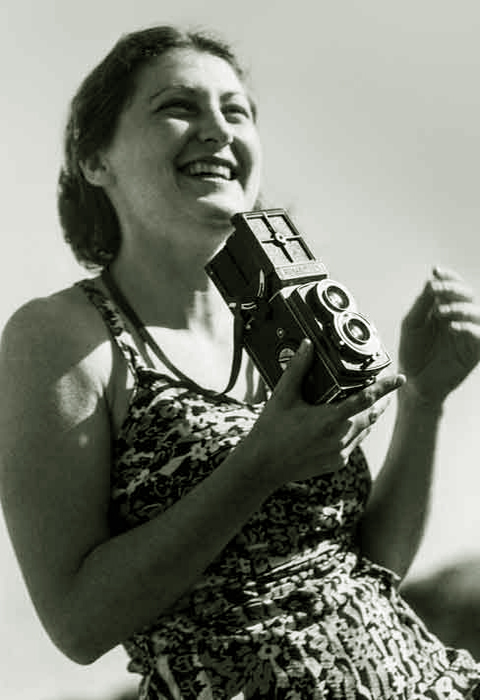 |
| Damien Parer, portrait of Olive Cotton |
Russell Roberts
Russell Roberts (1904–1999) sold advertising for Sydney Ure Smith’s publications, including The Home, and in the early 1930s founded Russell Roberts Ltd in Sydney, which has a claim to being Australia’s first real advertising studio.
A leading figure in modern commercial photographic illustration, he was a member of the Contemporary Camera Groupe in 1938, and his studio, staffed by 30 by that year, trained photographers including Margot Donald and David Moore. There are different accounts of when the studio closed: One says the firm folded early in the Second World War, but Margot Donald worked there until 1949 and David Moore joined in 1947. This date to be confirmed.
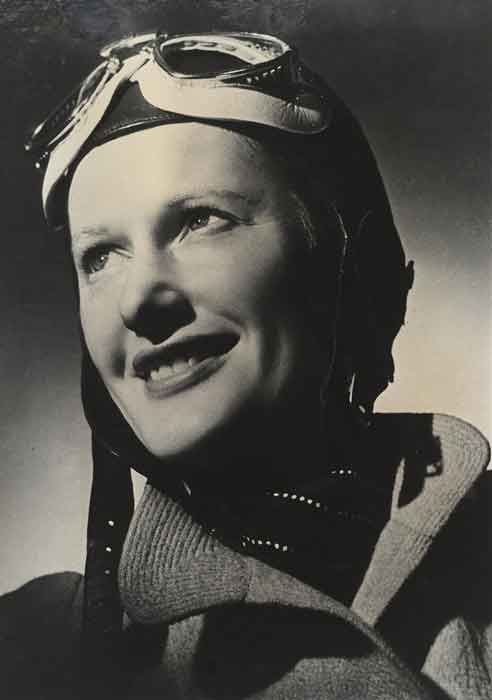 |
| Russell Roberts, Nancy Bird Walton |
Cecil Bostock
Cecil W. Bostock (1884–1939) was a key figure in Australian pictorialism, best known for hosting the 1916 gathering at his Sydney studio that established the Sydney Camera Circle and its "sunshine school" aesthetic.
Beyond his pioneering work in pictorial and commercial studio photography, where he mentored a young Max Dupain, he was an accomplished graphic artist, calligrapher, and bookbinder.
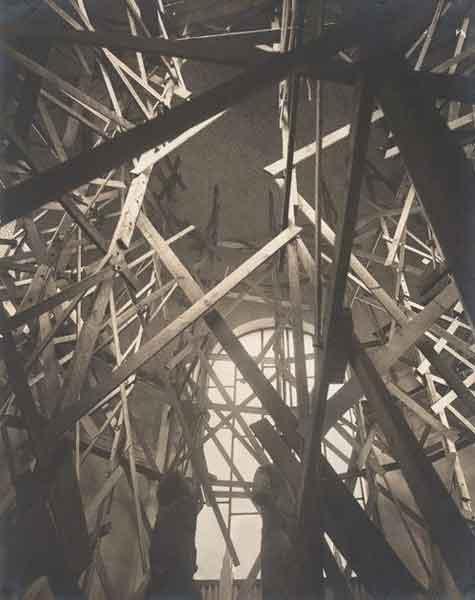
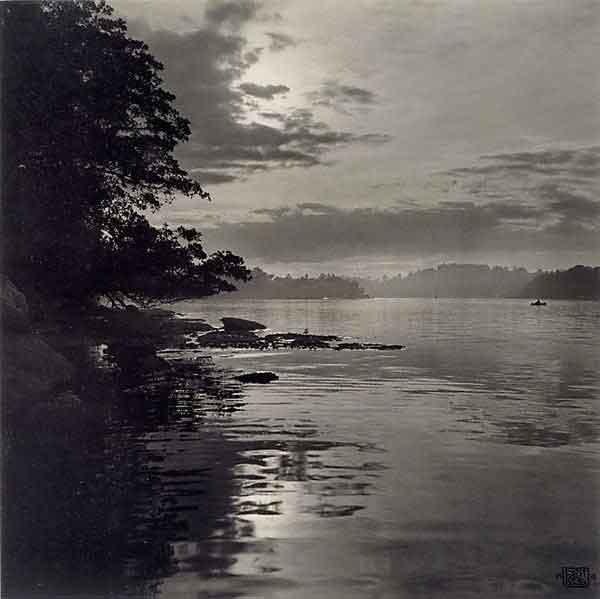
We have identified five prints listed in the 1938 exhibition and a mention of large prints. But after his death in 1939, a lot of his work was scattered as it was auctioned to cover debts. So we have chosen works to represent his styles. Phenomena survived only because Max Dupain kept it.
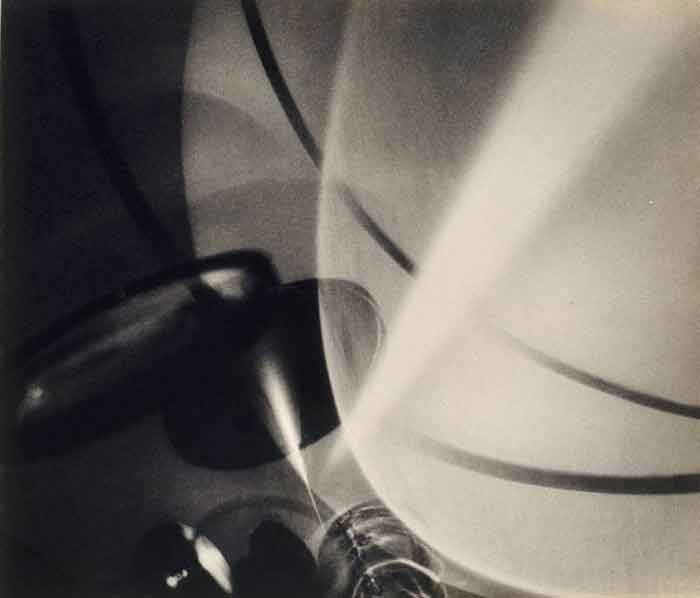 |
| Cecil Bostock, Phenomena, c.1938 - in the 1938 exhibition |
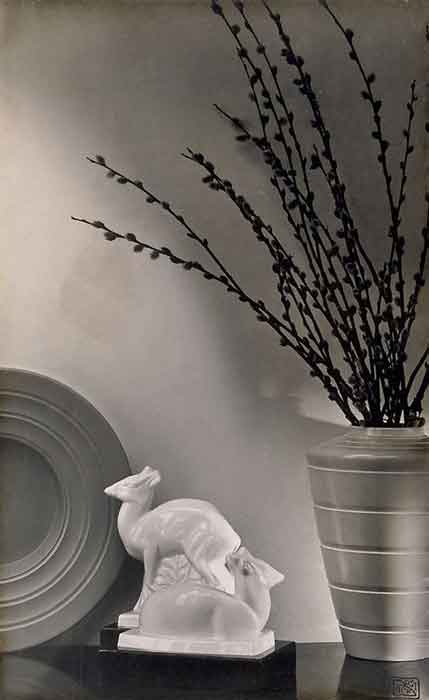 |
| Cecil Bostock, Chiaroscuro, 1935 |
 |
| Cecil Bostock, Problem, 1932 |
 |
| Cecil Bostock, Transient, 1938 - in the 1938 exhibition |
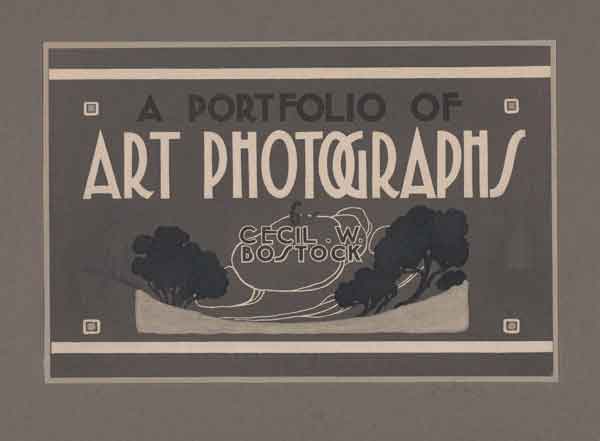 |
| Cecil Bostock,Art Photographs portfolio cover - graphic 1917 |
Harold Cazneaux
Harold Cazneaux (1878–1953) was a pioneer of Australian pictorialist photography who helped forge a uniquely Australian visual identity by shifting focus toward the country's distinct, harsh natural light and iconic landscapes. As a key founder of the Sydney Camera Circle, he championed soft-focus atmospheric techniques and masterfully documented early 20th-century Australian life, portraits, and iconic sites such as the Flinders Ranges and the Sydney Harbour Bridge.
The are two listing stated of what he exhibited, and a mention of landscapes. We have included a set of typical Cazneaux landscapes.
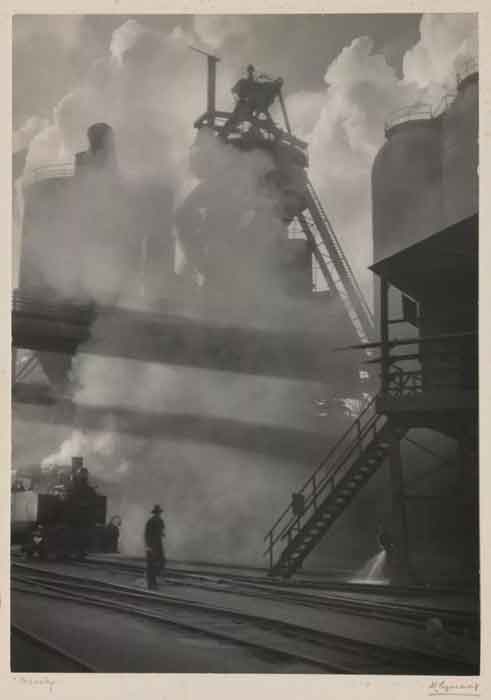 |
| Harold Cazneaux, Industry, B.H.P. Newcastle, N.S.W. 1934 - in the 1938 exhibition |
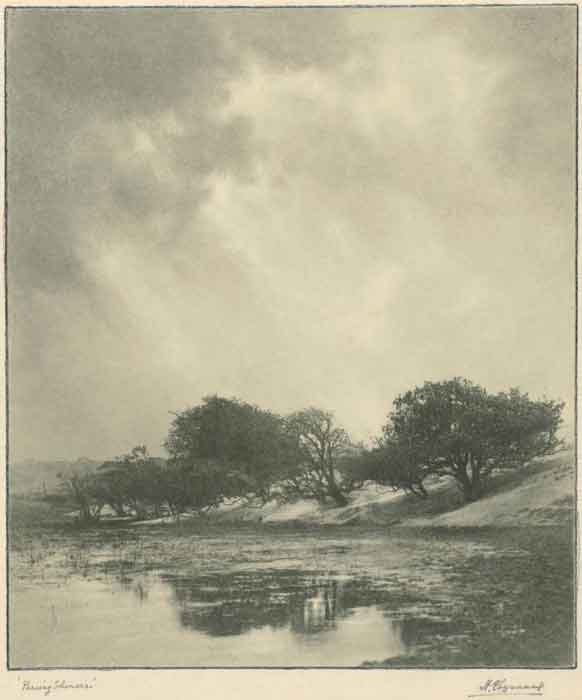 |
| Harold Cazneaux, Passing Shadows, Mona Vale, N.S.W. 1937 |
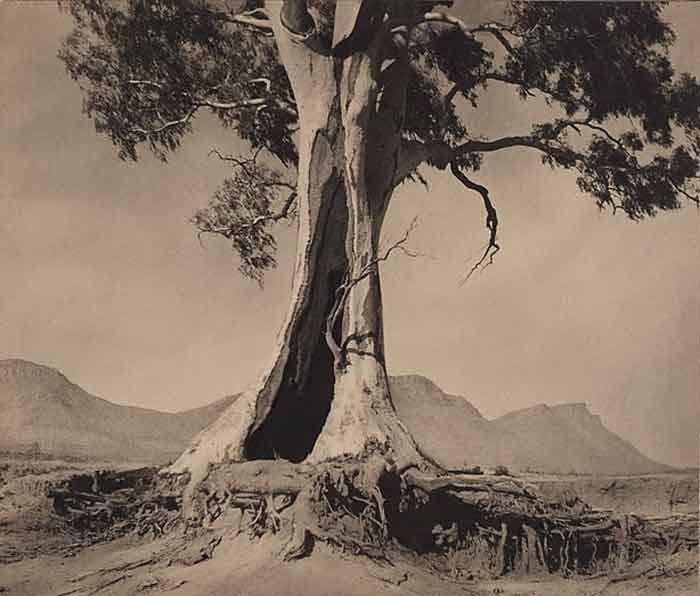 |
| Harold Cazneaux,Spirit of Endurance, 1937 |
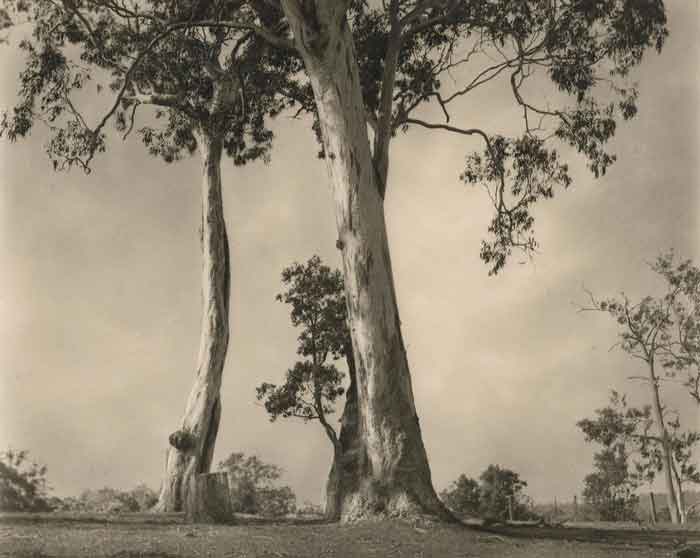 |
| Harold Cazneaux, Australia Gums, 1937 |
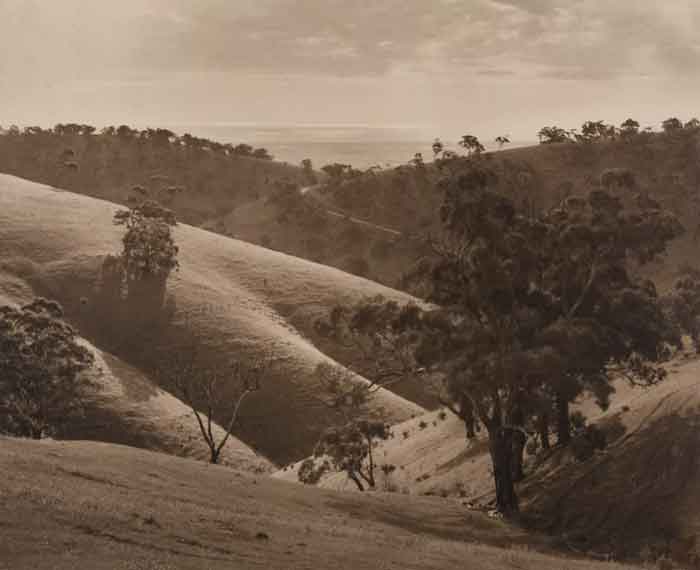 |
| Harold Cazneaux, Folded Hills, South Australia, 1936 |
George J Morris
George J. Morris (1884–1959) was a prominent figure in Australian pictorialist photography and a long-time secretary of the Sydney Camera Circle.
Masterful in complex print processes like bromoil transfer, his extensive overseas travel work stood out for combining painterly technique with an early photojournalistic, documentary-style narrative.
There is limited information on what George J Morris exhibited at the 1938 Contemporary exhibition. The only listing states they were large prints of European travels. We have included examples of his European photographs and one from New York to illustrate Morris' style of photography at the time.
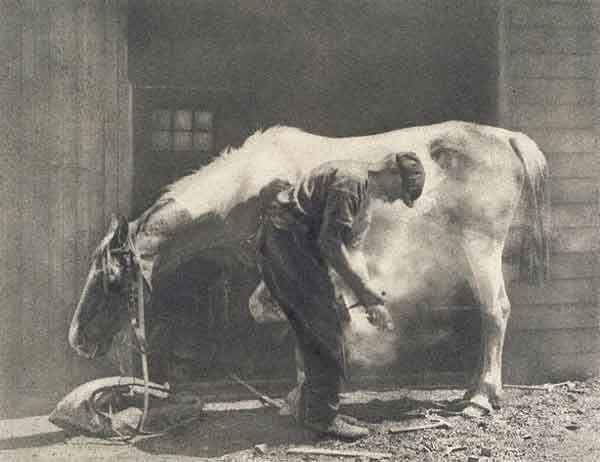 |
| George J Morris, Blacksmith St Ives, 1926 |
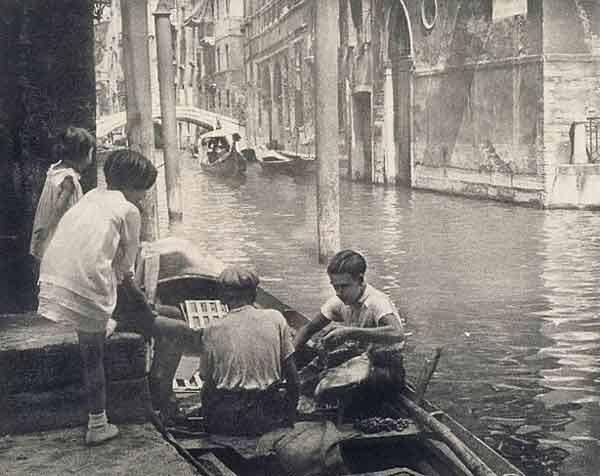 |
| George J Morris, Canal Venice, 1936 |
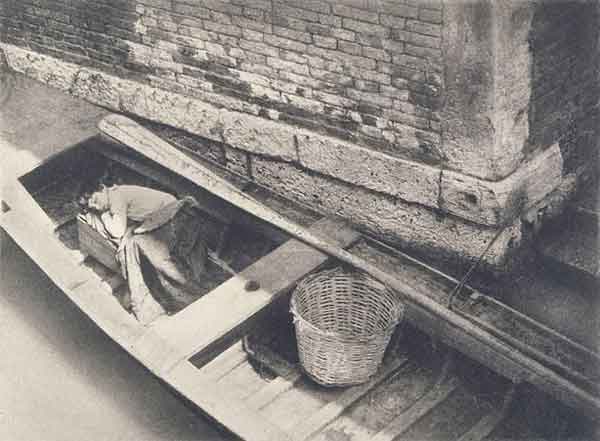 |
| George J Morris, Siesta, 1936 |
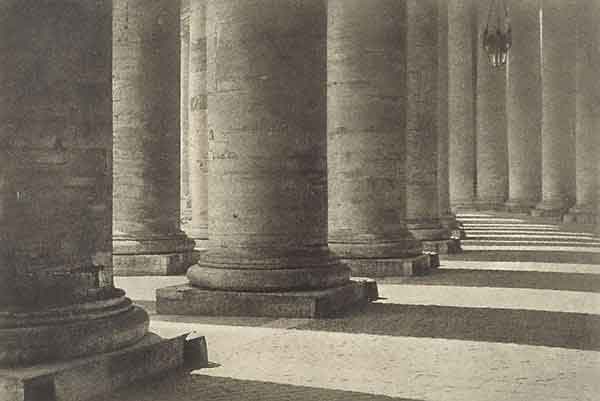 |
| George J Morris, Within These Hallowed Walls, 1936 |
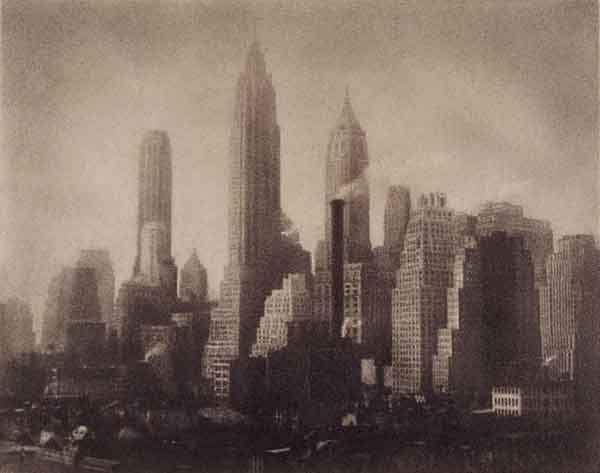 |
| George J Morris, New York, 1936 |
Return to main page for The Contemporary Camera Groupe
|